
Can a Week in the Mountains Improve Health? What Science Actually Supports
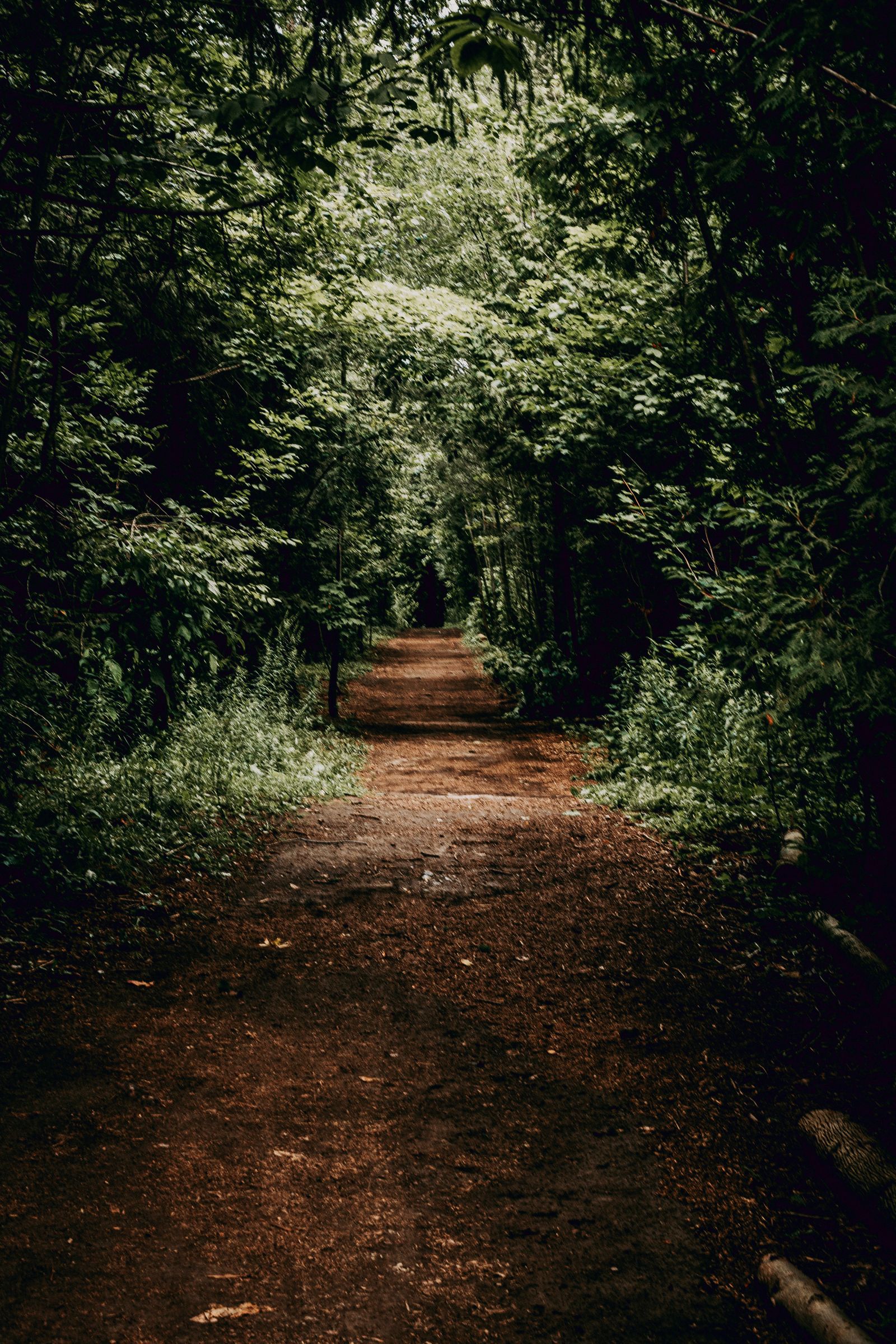
People love to say that a week in the mountains can do more for you than a drawer full of supplements. That is obviously an exaggeration. A short trip will not replace medical care, fix long-standing metabolic problems, or turn altitude into a miracle treatment. Still, the basic idea is not nonsense. A different environment can change how the body works, especially when that environment means cleaner air, more walking, more daylight, fewer decisions, and a break from constant low-grade stress.
The more useful question is not whether the mountains are “magic.” It is what actually starts to change after several days at moderate altitude and in regular contact with nature, and what claims should be taken with a grain of salt.
What changes first when you go to the mountains
Blood and oxygen adaptation begins quickly
At altitude, oxygen pressure is lower. The body notices. One of the early responses is a rise in erythropoietin, the hormone that signals the bone marrow to produce more red blood cells. This is why athletes use altitude training in the first place. Even a short stay can start that signaling process.
That does not mean your blood transforms in a week. It means the body has received a clear message: oxygen is less available, so efficiency matters. In practical terms, that can feel like mild breathlessness at first, followed by a gradual sense that the body is adjusting.
But one week is not enough for full hematological adaptation
This is where honesty matters. A real, lasting increase in hemoglobin mass usually takes longer than a short holiday. Research on altitude exposure suggests that the more meaningful blood changes tend to require roughly three weeks at moderate altitude, with many hours per day spent there. So if someone says the mountains “renew the blood” in seven days, that is poetry, not physiology.
What a week can do is start the adaptation process. That is still interesting. Not magical, just real.
Mountains may nudge energy metabolism in a useful direction
Moderate hypoxia combined with daily movement appears to activate some of the pathways involved in mitochondrial adaptation and energy regulation. In plain language, the body may become a little more efficient at handling energy demand when it gets a manageable challenge instead of a destructive one.
The keyword here is manageable. Moderate altitude plus walking, hiking, or simply being more physically active can be a useful signal. Extreme altitude, exhaustion, dehydration, and poor recovery are a different story. The goal is not to suffer on a peak. It is to spend a few days in an environment that asks the body to adapt without overwhelming it.
Stress biology often improves faster than fitness markers
Nature can lower the stress load surprisingly quickly
This is probably the most immediate and most believable part of the story. Time in natural settings has been associated with lower cortisol, lower sympathetic nervous system activity, and a shift toward a more restorative parasympathetic state. Some studies suggest that even 20 to 30 minutes in nature can move stress markers in a favorable direction.
That matters because chronic stress is not abstract. It affects sleep, appetite, blood pressure, insulin sensitivity, mood, and recovery. For many women in midlife, especially those dealing with sleep disruption and higher baseline stress, this may be the most meaningful benefit of a mountain week.
Movement becomes part of the day instead of another task
One quiet advantage of mountain trips is that movement often stops feeling like self-discipline and starts feeling like the obvious thing to do. You walk more because the setting invites it. You climb stairs, follow trails, carry your bag, spend less time sitting, and usually look at fewer screens. That shift matters. Bodies tend to respond better to frequent, ordinary movement than to the drama of occasional heroic workouts.
Why the whole trip can feel restorative
Not every benefit comes from altitude itself. Some of it comes from the package: cooler air, natural light earlier in the day, less noise, fewer errands, simpler meals, and more distance from whatever was overstimulating you at home. People often call this “resetting the nervous system,” which can sound a bit fluffy. But the underlying idea is sensible. A calmer environment reduces the number of stress signals the brain has to process every hour.
Sleep may improve for that reason alone, although altitude is a mixed bag. Moderate heights and daytime activity can help some people sleep more deeply. Higher elevations can fragment sleep instead, especially at first. So again, the truth is more useful than the myth: a mountain week can help recovery, but comfort, altitude, hydration, and pacing matter.
Where people oversell the mountain effect
A week in the mountains is not the same as a medical intervention. It is not an intravenous drip, not a detox, not a cure for burnout, and not a substitute for treating anemia, thyroid disease, depression, sleep apnea, or serious cardiometabolic problems. It is better understood as a biological nudge. In the right circumstances, that nudge can be meaningful. It is still a nudge.
If you come home sleeping better, feeling calmer, moving more easily, and thinking more clearly, that is a real health effect. It just does not need the language of miracle medicine to count.
Who should be more careful
People with significant heart or lung disease, severe anemia, uncontrolled blood pressure, recent illness, or a history of altitude sickness should be more cautious about mountain travel, especially at higher elevations. The same goes for anyone who tends to get headaches, insomnia, or strong fatigue when they go up in altitude. Moderate, comfortable exposure is one thing. Pushing through obvious warning signs is another.
The bottom line
A week in the mountains will not remake your biology overnight. But it can start a few useful processes: early altitude adaptation, more everyday movement, lower stress signaling, and, for some people, better recovery. That is enough to take seriously. The mountains are not a replacement for medicine. They are a reminder that environment is part of medicine too.
This article is for educational purposes only and does not replace personal medical advice.

Apply for a Consultation
My 1-on-1 coaching program is 100% personalized and client capacity is extremely limited.
To ensure we are the right fit, please start a conversation with my digital assistant to discuss your goals and apply for the next available opening.