
When Healthy Living Starts to Hurt: Orthorexia, Food Rules, and the Stress Loop
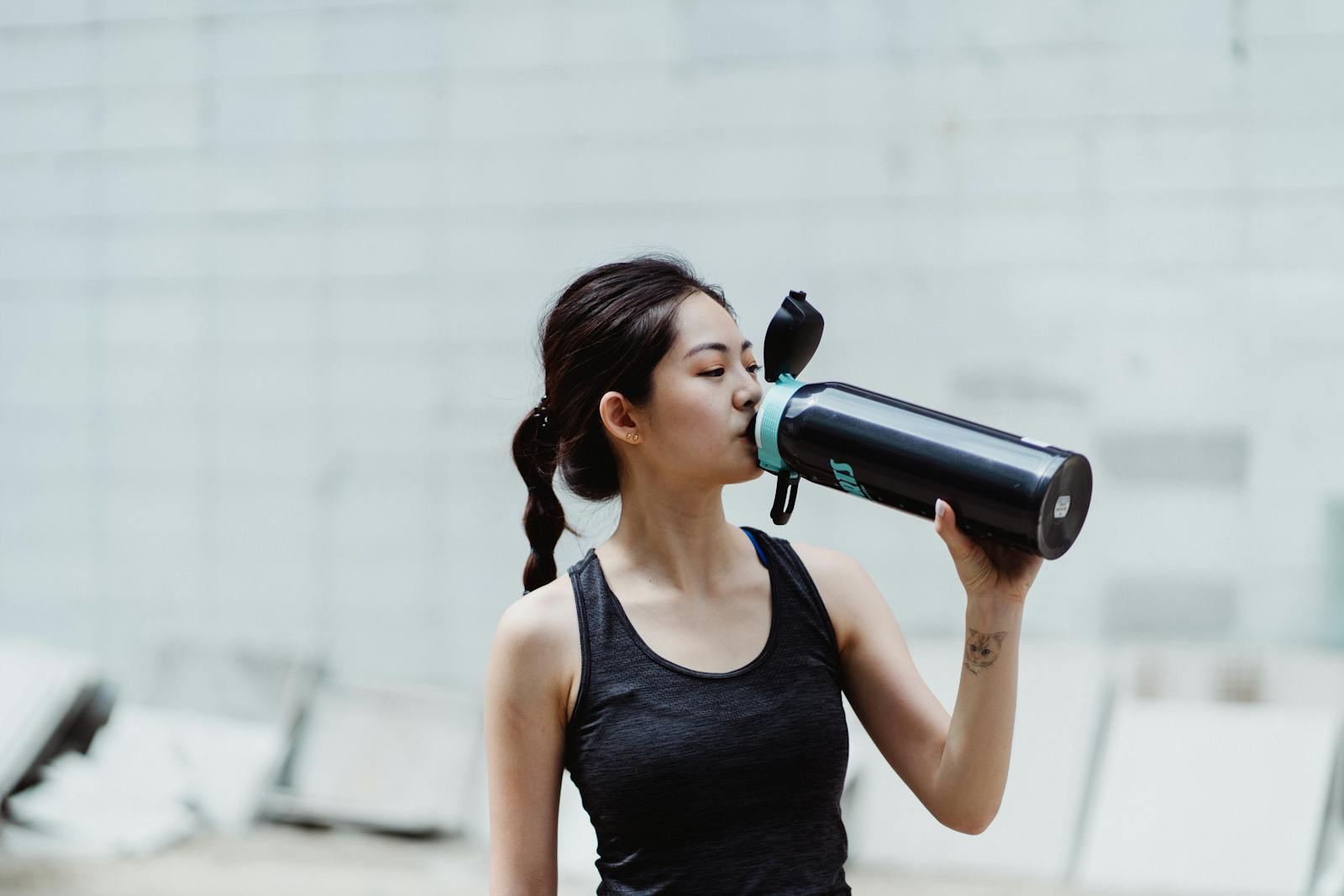
Healthy routines can quietly turn into a full-time job. At first it looks harmless: more vegetables, fewer ultra-processed foods, regular workouts, better sleep. Then the rules start multiplying. A missed session feels like failure. Dinner out feels risky. Cake at someone else's birthday party somehow becomes a moral event.
From the outside, this can still look like discipline. From the inside, it often feels more like exhaustion. The person is not getting healthier in any meaningful sense. They are becoming tense, guilty, and strangely fragile around everyday life.
That pattern is more common than people admit, and research gives us a useful way to think about it. The problem is not caring about health. The problem is when health becomes an obsession that begins to damage mood, flexibility, relationships, and even eating behavior itself.
When wellness stops feeling well
There is a reason so many people feel worse the harder they try to do everything “right.” Modern wellness culture rewards vigilance. Track the steps. Track the macros. Track the glucose. Track recovery. Optimize the morning. Fix the gut. Avoid seed oils. Never skip leg day. Once health gets framed as a constant self-improvement project, rest starts to feel irresponsible.
That mindset can be especially seductive for perfectionists. Rules create the illusion of safety. If I follow the plan exactly, maybe I can avoid illness, avoid weight gain, avoid uncertainty, avoid not being good enough. The catch is that bodies are not machines, and life does not cooperate with rigid systems for very long.
Orthorexia: when “clean eating” turns compulsive
Researchers often use the term orthorexia for an unhealthy fixation on eating “pure,” “clean,” or perfectly correct food. It is not currently an official diagnosis in DSM-5 or ICD classifications, so it is worth being careful with labels. Still, the pattern itself is very real, and it has been studied as something that overlaps with eating disorders, anxiety, and obsessive-compulsive traits.
What matters in practice is not whether someone reads ingredient lists or prefers home-cooked meals. Plenty of healthy people do that. The red flag is when food choices become a source of fear, shame, social withdrawal, or constant mental noise. If a person cannot eat spontaneously, cannot tolerate imperfection, and feels morally contaminated by “wrong” food, the behavior has stopped being protective.
Research has linked orthorexic tendencies with perfectionism, body image concerns, drive for thinness, and heavy social media exposure. That part is not shocking. A steady stream of idealized bodies, supplement stacks, and photogenic “what I eat in a day” videos can make obsession look like virtue.
Why rigid rules so often backfire
The brain hates all-or-nothing eating
One of the oldest findings in eating psychology is that strict restriction often sets the stage for overeating. In classic work by Peter Herman and Janet Polivy, restrained eaters were more likely to overeat after a perceived dietary “violation.” In plain English: once the person feels they have broken the rules, they often stop regulating altogether.
This is sometimes called the what-the-hell effect. The logic is painfully familiar. I already ate the dessert, so the day is ruined. I already missed the workout, so I may as well give up until Monday. That swing from control to collapse is not proof of weak character. It is what rigid systems tend to produce.
Flexible eating works differently. It leaves room for adjustment. One rich meal stays one meal. One missed workout stays one missed workout. There is no courtroom drama around it, so there is less need for rebellion afterward.
The stress loop nobody talks about enough
Constant monitoring feels productive, but physiologically it can behave more like chronic stress. When someone is always asking, “Did I eat correctly? Did I train enough? Did I ruin my hormones?” the nervous system rarely gets a real off-switch.
That matters because chronic stress changes appetite, cravings, sleep, and fat distribution. Elevated cortisol is associated with a stronger pull toward calorie-dense comfort foods and with accumulation of visceral fat in some people. So the same person who is frantically chasing control can end up feeling more cravings, more frustration, and more mistrust of their own body.
This is one reason wellness obsession becomes such a cruel loop. Anxiety leads to tighter rules. Tighter rules increase stress. Stress makes eating feel harder and the body feel less predictable. Then the person responds by tightening the rules again.
What healthier self-care actually looks like
Health should make your life bigger, not smaller
A useful question is not “How disciplined am I?” but “Is this way of caring for myself giving me more freedom, energy, and steadiness?” Real health usually looks boring in the best way. Regular meals. Enough protein and fiber. Movement that can survive normal life. Sleep that matters more than punishment cardio. A body that is supported, not policed every waking minute.
That does not mean anything goes. It means there is a difference between structure and captivity. You can care about metabolic health, muscle mass, or menopause symptoms without turning every bite into a moral test.
Signs it may be time to step back
If your routine makes you isolated, guilty, scared of ordinary food, or unable to adapt when life changes, it is worth taking that seriously. If “healthy” habits are worsening anxiety, binge-restrict cycles, body image distress, or social withdrawal, more discipline is probably not the answer.
Sometimes the healthier move is less control, not more. More nuance. More flexibility. More meals eaten without fear. More room for pleasure, culture, and actual life.
The bottom line
Taking care of yourself should not feel like living under surveillance. Health is not just the absence of sugar, gluten, skipped workouts, or imperfect meals. It is also psychological flexibility, social ease, and a nervous system that is not permanently braced for failure.
If the pursuit of health is making you feel smaller, harsher, and more anxious, that is not a sign to try harder. It is a sign to change the model.
This article is for education only and does not replace individual medical or mental health care. If restrictive eating, guilt around food, or compulsive health routines are affecting daily life, professional support can help.
Apply for a Consultation
My 1-on-1 coaching program is 100% personalized and client capacity is extremely limited.
To ensure we are the right fit, please start a conversation with my digital assistant to discuss your goals and apply for the next available opening.