
Why “Our Grandmothers Lived Without HRT” Is a Misleading Menopause Argument
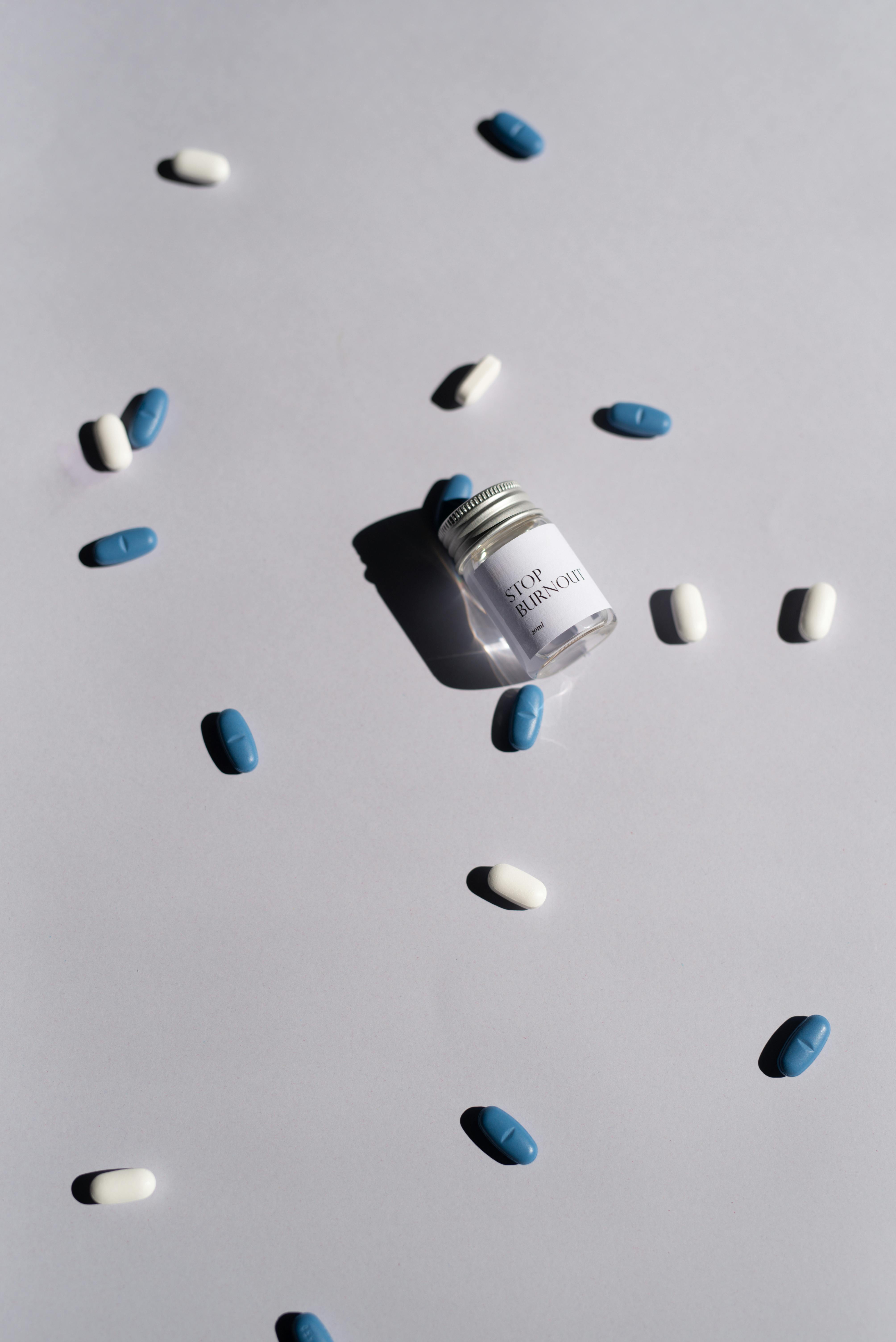
"Our grandmothers lived without hormones and were fine" is one of those arguments that sounds sturdy until you look at it for more than ten seconds. It gets repeated in menopause conversations as if it settles the question of hormone therapy. It does not. In fact, it hides several different mistakes at once.
The biggest one is simple: we tend to remember the women who made it through older age, not the ones who had early strokes, disabling fractures, untreated depression, chronic pain, or years of cognitive decline that everyone quietly labeled as "just aging." That is not wisdom. That is selective memory with good branding.
This does not mean every woman should take menopausal hormone therapy. It does mean that refusing to think seriously about treatment options because previous generations "managed somehow" is a weak argument and often a harmful one.
Why this is a classic survivorship bias problem
Survivorship bias happens when people look only at the survivors and build conclusions from that incomplete sample. In menopause care, the phrase "our grandmothers were fine" focuses on the women who lived long enough to become the visible example while ignoring the many others who did not age well, did not stay functional, or did not have access to proper diagnosis.
That matters because older generations were not protected from the effects of estrogen loss. They simply experienced those effects in a medical culture that often failed to name them clearly. Osteoporotic fractures, vascular disease, low mood, sleep disruption, chronic pain, and cognitive decline were frequently normalized, minimized, or assigned to personality and age.
If the only evidence someone offers is that some women got through menopause without hormones, that is not actually evidence of safety or of good quality of life. It is evidence that human beings can endure a lot.
The hidden cost of calling everything “natural”
People often use "natural" as if it automatically means harmless. Menopause is natural. So are bone loss, vascular aging, and the metabolic shifts that can come with estrogen decline. Nature is not especially sentimental about whether a process feels good or preserves quality of life.
This is where the conversation usually gets distorted. The choice is framed as hormones versus nothing, with "nothing" presented as the safer and more wholesome path. But for many women, "nothing" does not stay nothing. It turns into sleep medication, painkillers, antidepressants, blood pressure drugs, lipid-lowering therapy, glucose-lowering treatment, or a growing list of interventions later in life.
That does not mean menopausal hormone therapy prevents every future problem, and it definitely does not mean all medication after 60 could have been avoided. It means the idea of a completely untreated, effortlessly natural path is often fiction.
What estrogen loss actually changes
Estrogen is not just a fertility hormone. It is part of the signaling system the brain, bones, blood vessels, skin, connective tissue, and metabolic system rely on. When estrogen falls, the consequences can show up in different places and on different timelines.
For one woman, the problem is hot flashes and insomnia. For another, it is joint pain, vaginal symptoms, faster bone loss, or a sudden change in mood and cognitive sharpness. Some women do relatively well. Others do not. That range is exactly why simplistic slogans are useless here.
The important point is not that menopause is a disease. It is that hormonal decline has biological effects, and pretending those effects are trivial does not make them disappear.
Why hormone therapy should be discussed like medicine, not ideology
Menopausal hormone therapy is neither a miracle nor a moral failure. It is a medical option with indications, benefits, risks, and contraindications. For the right patient, started at the right time and monitored properly, it can meaningfully improve symptoms and sometimes support longer-term health goals. For the wrong patient, or in the wrong clinical setting, it may be inappropriate.
That is why the question should never be "Did our grandmothers live without it?" The real question is whether this specific woman, with this symptom pattern, this risk profile, and this stage of menopause, may benefit from treatment.
What a better question sounds like
Instead of asking whether hormone therapy is natural, it is usually more useful to ask: what symptoms are present, what risks already exist, what is happening to bone and metabolic health, what are the contraindications, and what alternatives are realistic if hormones are not a fit. That is an adult clinical conversation. The grandmother argument is not.
Quality of life counts too
One reason this myth survives is that older generations of women were expected to tolerate suffering more quietly. Poor sleep, low mood, pain with sex, fatigue, weight redistribution, and chronic discomfort were often treated as part of being a woman and getting older. That standard was not noble. Mostly it was neglect dressed up as stoicism.
Modern menopause care, at its best, asks a better question: not just how long someone lives, but how they live. Can they sleep, think clearly, move without pain, preserve bone and muscle, and feel emotionally stable? Those outcomes matter.
The bottom line
"Our grandmothers lived without hormones" is not a serious argument against menopausal hormone therapy. It ignores survivorship bias, romanticizes untreated suffering, and confuses endurance with health.
Hormone therapy is not right for everyone, but dismissing it with nostalgia is poor medicine. The sensible approach is individualized assessment, honest risk-benefit discussion, and a willingness to stop calling preventable suffering "natural" just because it used to be common.
This article is for educational purposes only and does not replace individual medical advice. Decisions about menopausal hormone therapy should always be made with a qualified clinician who knows the patient’s medical history.
Apply for a Consultation
My 1-on-1 coaching program is 100% personalized and client capacity is extremely limited.
To ensure we are the right fit, please start a conversation with my digital assistant to discuss your goals and apply for the next available opening.