
7 Lab Tests Women Over 45 Should Check When ‘Everything Is Normal’
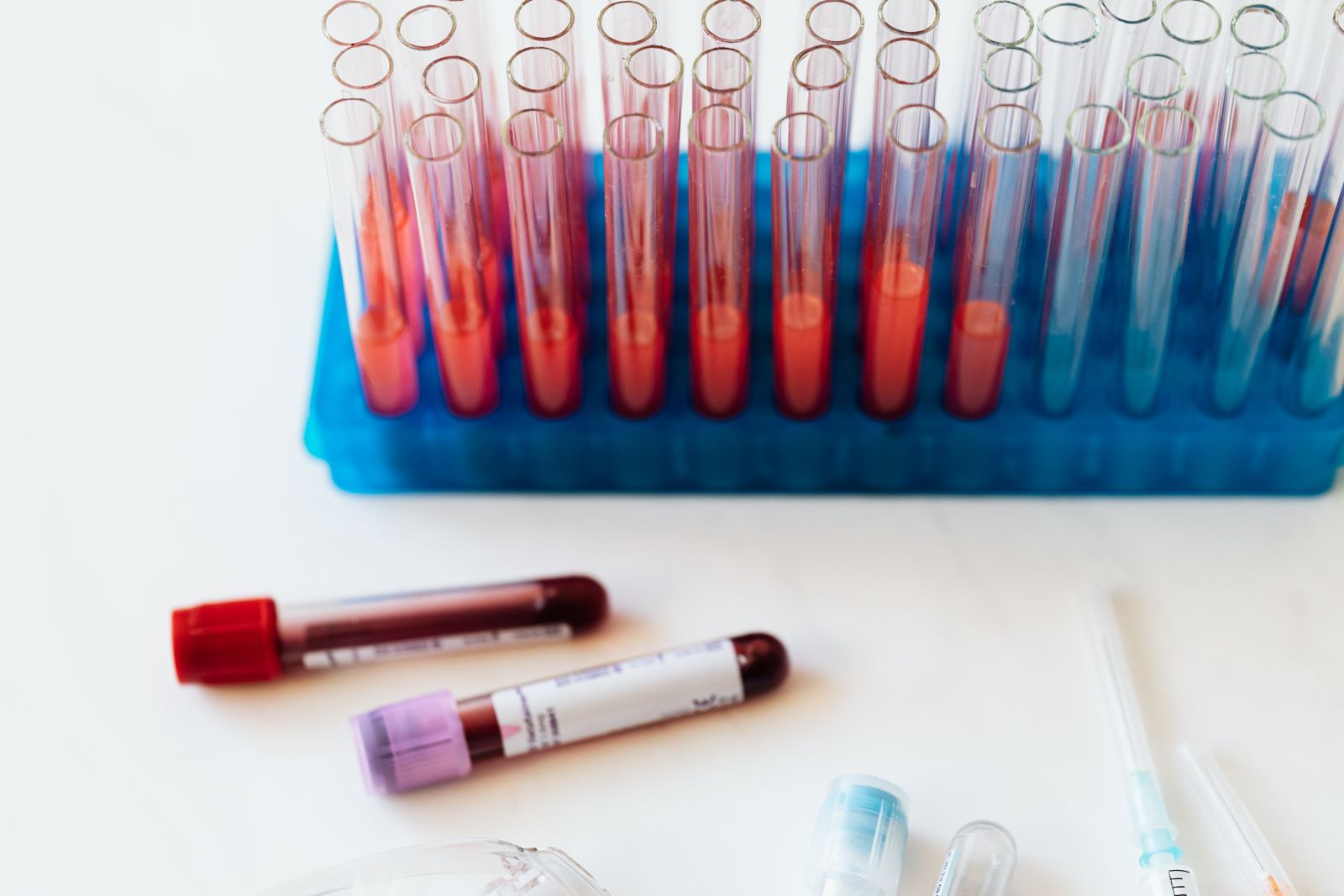
You do the responsible thing. You get blood work. Then you hear the line that leaves so many women stuck: everything looks normal. And yet you still feel wrung out, foggy, colder than everyone else, or simply not like yourself.
A lot of women hear some version of the same sentence after 45: your labs are normal, so this is probably just age. It sounds tidy. It is also often incomplete.
The problem is not always that the body is fine. Sometimes the wrong tests were ordered. Sometimes the right test was interpreted too narrowly. Sometimes one normal number hides a bigger pattern.
If you feel off, more tired than usual, colder, foggier, more swollen, more anxious, or less resilient than before, a basic conversation about symptoms deserves better than a shrug. These seven markers are a practical place to start.
Why “normal” does not always mean well
Reference ranges are useful, but they are not the same thing as a diagnosis and they are not the same thing as feeling healthy. A lab result can sit inside the printed range while the broader picture still needs attention. That is especially true in midlife, when perimenopause, thyroid issues, iron depletion, insulin resistance, and cardiovascular risk can overlap and blur into each other.
The goal is not to panic over numbers. It is to ask better questions and look at the right map. A better question is not “Are my tests normal?” It is “Did we check the right things for the symptoms I actually have?”
1. Ferritin: the iron reserve many women never get told about
Hemoglobin tells you what is happening in the bloodstream now. Ferritin gives a better sense of iron stores. A woman can have a normal hemoglobin level and still have low reserves that show up as fatigue, hair shedding, poor exercise tolerance, feeling cold, or that washed-out kind of mental fog that is hard to explain.
Ferritin also has a catch. It can rise with inflammation, so a “normal” or even elevated result does not always rule out iron deficiency. This is one reason ferritin should be read in context, not treated like a standalone verdict. Still, if iron issues are on the table, ferritin is often more informative than serum iron alone.
Heavy periods, low iron intake, digestive issues, and absorption problems can all play a role. If ferritin is low, the next question is not just how to raise it, but why it fell in the first place.
2. Vitamin D: more than a bone-health checkbox
Vitamin D affects much more than bones. It is tied to muscle function, immune regulation, and, in some people, overall resilience and mood. Deficiency is common, especially in places where sun exposure is limited for much of the year.
Blind supplementation is not automatically smart medicine. Too little may do nothing. Too much is not harmless either. Checking a 25-OH vitamin D level first gives the conversation a starting point. After 45, when bone protection becomes more important, it is one of the simplest things worth checking. More on that in how to protect bone in menopause.
3 and 4. TSH and free T4: the thyroid can look a lot like perimenopause
Weight gain, dry skin, constipation, swelling, low mood, fatigue, feeling cold, thinning hair, even changes in focus, these can show up with thyroid dysfunction and with perimenopause. That overlap is one reason thyroid issues are easy to miss if every symptom gets blamed on hormones or age.
TSH is usually the first screening marker because it shows how hard the pituitary is pushing the thyroid to work. Free T4 helps show what the thyroid is actually producing. That is why TSH and free T4 are a basic pair that can help a clinician see whether the thyroid deserves a closer look. They do not answer every thyroid question, but they are a sensible place to begin.
5. Fasting glucose plus fasting insulin: the pair matters more than glucose alone
After 45, insulin sensitivity often starts to worsen. Falling estrogen is part of the story. Poor sleep, chronic stress, reduced muscle mass, and a more sedentary routine than ten years ago can add to it. The effect can be subtle for years. This is where many women get falsely reassured. Fasting glucose may still look normal while fasting insulin is already climbing to keep it there.
That pattern can point to early insulin resistance long before a diabetes diagnosis appears on paper. Looking at fasting glucose together with fasting insulin, and sometimes a calculated HOMA-IR, can reveal strain that a single glucose result misses.
6. Lipid profile: menopause changes the cardiovascular picture
Before menopause, estrogen offers some vascular protection. As that protection fades, cardiovascular risk can rise faster than many women expect. This is one reason cholesterol deserves more attention in midlife than it often gets.
A standard lipid profile usually includes total cholesterol, LDL, HDL, and triglycerides. The value is not just in one scary number. It is in watching the pattern, the direction of change, and the rest of the clinical picture over time.
7. Sex hormones: useful, but easy to overread
This is where confusion gets especially loud. Perimenopause is rarely diagnosed from one hormone test alone because hormone levels can swing dramatically from one day to the next. One “normal” FSH or estradiol result does not cancel out a convincing symptom pattern.
In postmenopause, some hormone levels are expected to be low and may not explain every symptom by themselves. That is why sex hormones should be ordered with a clear question in mind and interpreted together with symptoms and menstrual history.
If you are already on HRT
If a woman is already on menopausal hormone therapy, the same caution applies. The timing, route, and formulation of treatment matter when results are interpreted. One estradiol value in blood does not capture the full clinical picture and should not be used casually to rewrite treatment without medical guidance. Those decisions need a fuller discussion with a clinician who knows what you are treating and how you feel.
What these tests can and cannot tell you
No lab panel can explain a person in full. A ferritin result will not tell you why you are overwhelmed. A thyroid test will not replace a proper clinical history. A hormone level taken on a random day will not settle every menopause question. But the right tests can stop the lazy habit of writing everything off as age.
Fatigue, hair loss, and feeling cold can also be linked to sleep problems, stress, depression, under-eating, overtraining, autoimmune disease, medication effects, or several smaller issues happening at once. Good blood work is a map, not a diagnosis. It cannot replace a proper medical history, physical exam, medication review, and symptom timeline.
How to use these tests wisely
Bring symptoms, not just lab sheets
A short symptom timeline can make a routine appointment far more productive. Note cycle changes, hot flashes, sleep disruption, shifts in mood, weight, energy, hair shedding, cold intolerance, and anything else that changed in the last year or two. When did the fatigue start? Are periods still regular, heavier, or changing? Are you waking at night, having hot flushes, or feeling wired and tired at the same time? List the supplements you already take, and ask which tests would actually change management.
Think in patterns
Midlife health is rarely explained by one dramatic result. More often it is a pattern: borderline iron stores, low vitamin D, a thyroid issue that was easy to miss, early insulin resistance, rising lipids, or a menopause transition that is being oversimplified.
Testing without becoming obsessive
The goal is not to collect labs like trading cards. The goal is to get a focused evaluation when symptoms are persistent or changing. That approach is much more useful than self-ordering random panels and trying to decode them alone at midnight.
If you want to understand why results can look fine while you still feel unwell, read why your lab results can be normal even when you feel unwell.
The bottom line
Labs are a map, not a diagnosis. But a better map can change the whole conversation. If you feel unlike yourself after 45, it is reasonable to ask whether the standard panel was broad enough and whether the results were read in context.
Good care starts there. Not with “everything is normal,” but with a closer look at what normal is actually hiding.
This article is for education only and does not replace medical care. Lab interpretation should be done with your clinician, who can connect the numbers to your symptoms, history, and treatment options.

Apply for a Consultation
My 1-on-1 coaching program is 100% personalized and client capacity is extremely limited.
To ensure we are the right fit, please start a conversation with my digital assistant to discuss your goals and apply for the next available opening.