
Osteopenia and Osteoporosis in Menopause: How to Protect Bone Before a Fracture
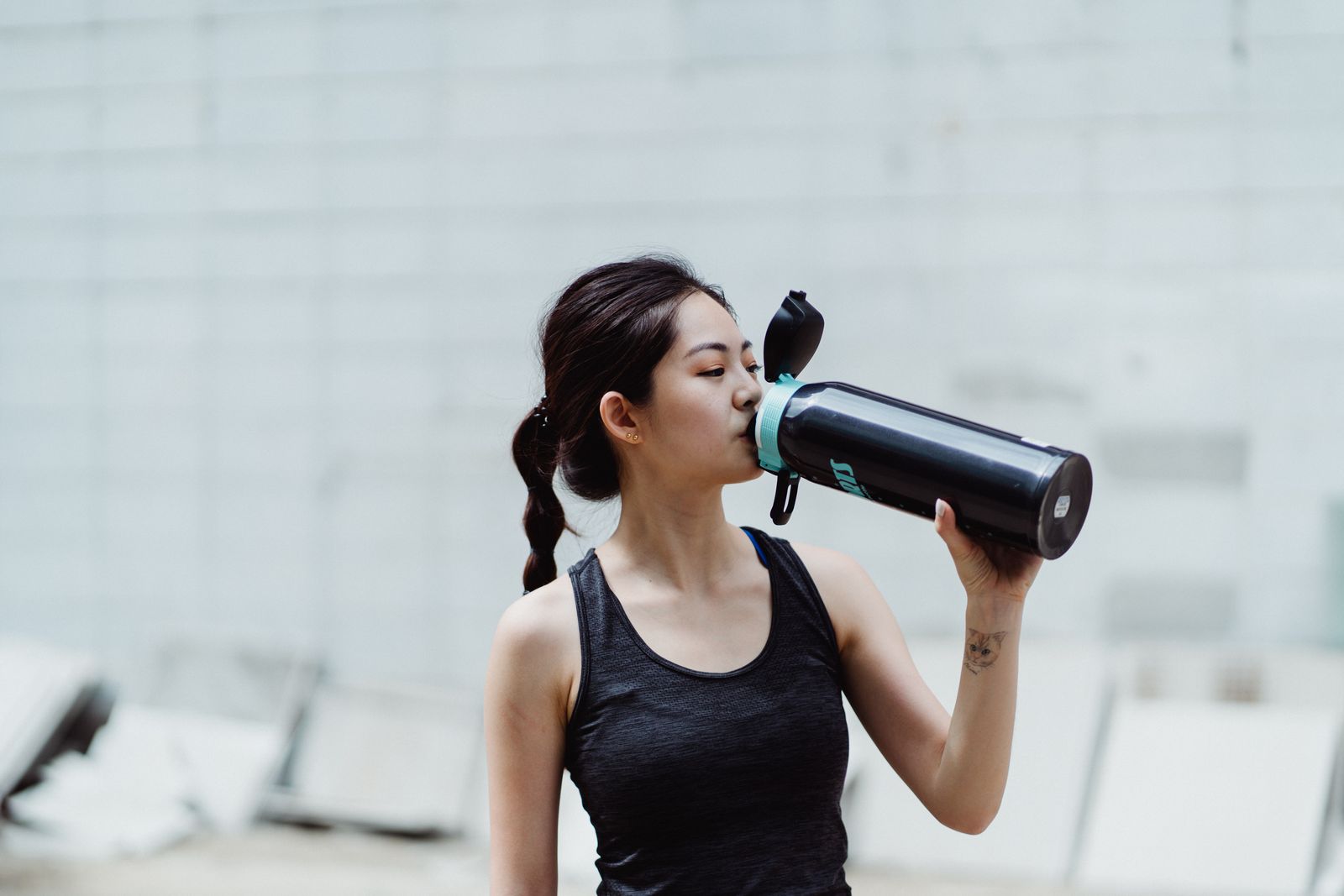
Bone loss rarely announces itself. That is what makes osteopenia and osteoporosis so easy to ignore in midlife. There is usually no pain, no obvious warning, and no daily symptom that forces the issue. Many women find out only when the first sign is already a fracture: a wrist broken in a small fall, a compressed vertebra, or a broken hip after what seemed like an ordinary movement.
That is why bone health deserves attention long before a crisis. If you are in perimenopause or menopause, it helps to know what osteopenia actually means, why estrogen matters so much, and which steps genuinely lower risk instead of just sounding healthy. Bone health deserves the same attention as cholesterol, blood pressure, or blood sugar. The goal is not panic. It is timing: catch the change early, while there is still plenty you can do.
Why bone loss can stay invisible for years
Bone tissue does not warn you while it is thinning. A person can keep working, walking, caring for family, and living normally while bone density slowly drops in the background. The first sign is often a fragility fracture, commonly in the spine, wrist, or hip.
This is one reason osteoporosis is often called a silent disease. The silence is not metaphorical. It is part of why so many people underestimate it until it becomes physically and emotionally disruptive.
Many women discover it only after a low-trauma fracture, meaning a fracture that happens after a fall from standing height or even a sudden twist. By then, prevention has turned into damage control.
What osteopenia means, and why it should not be brushed off
Osteopenia is reduced bone density that has not yet crossed into osteoporosis. It is not a harmless quirk on a scan. It is closer to an early warning sign, the moment when there is still time to slow progression and protect future mobility.
Bone density is usually assessed with a DXA scan. By T-score, a result above -1 is considered normal, from -1 to -2.5 is osteopenia, and below -2.5 is osteoporosis. Those numbers matter because they help turn an invisible process into something measurable.
It is tempting to hear “just osteopenia” and treat it like nothing. That is a mistake. For many women, especially around menopause, this is the window when bone loss is easier to slow than to rebuild later.
In real life, the problem is not the label itself. The problem is hearing “just watch it” and doing nothing while the trend continues, especially through the years when hormonal change can accelerate bone loss.
Why menopause changes the picture: what estrogen has to do with your bones
Estrogen helps keep bone remodeling in balance. Bone is constantly being broken down and rebuilt. During the reproductive years, estrogen helps keep that system from tipping too far toward breakdown. When estrogen falls in perimenopause and menopause, that balance shifts.
Bone-resorbing cells become more active, inflammatory signaling rises, and bone can be lost faster than the body rebuilds it. This is one reason the first years after menopause matter so much for long-term bone health.
It also explains why supplements alone are often oversold. Calcium, vitamin D, magnesium, and protein matter, but they do not fully cancel out the hormonal side of the process. When estrogen deficiency is driving bone loss, the broader strategy matters more than any one pill.
Why this risk matters more than many women are told
Osteoporotic fractures are not minor inconveniences. A vertebral fracture can affect posture, breathing, and day-to-day comfort. Hip fractures in particular can change independence, mobility, and life expectancy, and recovery can involve surgery, rehabilitation, fear of falling, and a long return to basic movement. Many people still think of osteoporosis as an annoying but ordinary part of aging. That is too casual.
Bone loss deserves the same seriousness we give other preventive health risks precisely because it can be addressed earlier. Waiting until the first fracture is a bad plan, and unfortunately a very common one.
What actually helps protect bone
Start with measurement
A DXA scan is the basic tool for understanding where you stand. It is especially worth discussing if you are over 50, entered menopause early, have a family history of fragility fractures such as a hip fracture, have used steroids, have a very low body weight, or have already had a low-trauma fracture. Without measurement, people tend to assume their bones are fine simply because nothing hurts.
Do not ignore osteopenia
Osteopenia is the stage when prevention has the most room to work. If you know bone density is already dropping, that is the moment to act, not to wait for worse numbers later.
Use movement that loads the skeleton
Bone gets stronger when it is asked to bear load. Strength training, walking, stair climbing, and balance work all have a role. Balance training matters because it lowers fall risk, and falls are what often turn fragile bone into a fracture.
Swimming and cycling are good for cardiovascular health, but they do not load bone very much. They can stay in the picture, just not as the only strategy if bone protection is the goal.
Support muscle and bone with enough nutrition
Protein matters more than many women realize. Bone is not made of minerals alone. It also has a protein matrix, and muscle preservation is part of fracture prevention too. In later adulthood, roughly 1 to 1.2 grams of protein per kilogram of body weight is often used as a practical target, depending on overall health and medical context.
Vitamin D and magnesium also matter because they help calcium metabolism and bone function work properly. If intake, status, or absorption is poor, even a decent diet may not do the full job. This is worth checking rather than guessing. Vitamin D is also one of the lab tests worth discussing after 45.
Do not rely on calcium alone
Calcium is important, but it is not a magic fix. Bone health usually improves with a fuller plan: enough protein, adequate calcium intake, vitamin D correction if needed, resistance training, regular walking or impact activity when appropriate, and fall-prevention habits that help keep strength and balance from slipping.
Discuss hormone therapy in the right context
Menopausal hormone therapy can help reduce bone loss and fracture risk, especially when started in the earlier menopausal window and when there are also symptom-based reasons to use it. It is not something to start casually for everyone, and it is not automatically the first treatment used only for bone protection. Decisions should be individualized, not copied from a headline or a friend’s experience. But when hormone therapy is already appropriate, bone protection is one of its meaningful benefits. For the wider debate, see why “our grandmothers managed without HRT” is bad menopause advice.
Why waiting is the expensive option
Bone density does not rebuild overnight. Recovery takes months to years, and sometimes full recovery never really happens after a major fracture. Prevention is usually simpler than reconstruction.
Psychology works against us here. People discount threats that are quiet, delayed, and painless. Osteopenia fits that pattern almost perfectly. That makes it easy to postpone action, even when the evidence says earlier action is far more effective.
The bottom line
Osteopenia and osteoporosis are easy to miss because they stay silent for so long. But silence is not safety. If you are in midlife or menopause, checking bone density, taking osteopenia seriously, using load-bearing movement, getting enough protein, and reviewing vitamin D, magnesium, and hormone options with a clinician can make a real difference.
This article is for educational purposes only and does not replace personal medical advice. Bone health decisions, especially around scans, supplements, or hormone therapy, should be made with your clinician in the context of your history, risk factors, and symptoms.
Apply for a Consultation
My 1-on-1 coaching program is 100% personalized and client capacity is extremely limited.
To ensure we are the right fit, please start a conversation with my digital assistant to discuss your goals and apply for the next available opening.